
The Art of the Avocado: A Ripening Guide
Avocados are one of the few fruits that don’t ripen on the tree; they “soften” only after being harvested. Understanding the science behind the squeeze can help you avoid the dreaded “too hard” or “way too brown” window.
1. How to Check for Ripeness
Use these three ripeness tests to find the perfect avocado:

The Gentle Squeeze
Hold the avocado in the palm of your hand and squeeze gently. It should yield to firm pressure but not feel “mushy” or collapse into the skin.

The Color Test
Most varieties (like Hass) turn from bright green to a dark, pebbly forest green or near-black as they ripen.
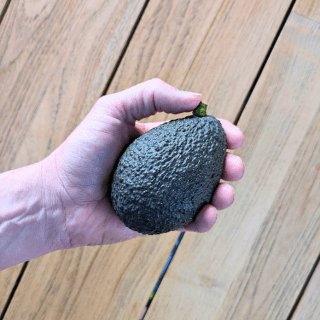
The Stem Peek
Gently remove the small stem nub at the top. If it comes off easily and you see green underneath, it’s ready. If it’s brown, it’s overripe. If it won’t budge, it needs more time.
2. Speeding Up the Process
If you bought a rock-hard avocado and need it ripe ASAP, you can accelerate the natural release of ethylene gas—the plant hormone responsible for ripening.
| Method | Estimated Time | Effectiveness |
| The Countertop | 7–9 days | Standard; best for flavor development. |
| The Paper Bag | 4–5 days | Concentrates ethylene gas around the fruit. |
| The Fruit Bowl | 1–2 days | Adding a banana or apple to the bag doubles the ethylene. |
3. Slowing Things Down
Found the perfect avocado but aren’t ready to eat it? The Refrigerator is your “Pause” button.
Whole Fruit: Place a ripe avocado in the fridge to keep it at peak texture for an extra 2–3 days.
Cut Fruit: Oxidation (exposure to air) causes browning. To save a half, leave the pit in, rub the flesh with lime juice or olive oil, and cover tightly with plastic wrap or foil.
Ordering a whole box? The same trick staggers a delivery, so the fruit doesn’t all turn perfect on the same afternoon. Here is how long shipped avocados last, and how to spread one box across two weeks.
The Science of the “Brown”: Why it happens
When you cut an avocado, you break the cell walls, exposing enzymes called polyphenol oxidase to oxygen. This creates a chemical reaction similar to rust on a car.
Pro Tip: If your avocado is slightly brown on top, it’s usually still safe to eat! Just scrape off the oxidized layer to reveal the fresh green underneath.
FAQ
Can I ripen an avocado in the microwave or oven?
The Short Answer: No. While heat will soften the flesh, it doesn’t actually “ripen” the fruit. It often results in a bitter taste and a weird, oily texture. For the best flavor, stick to the paper bag method.
Why is my avocado stringy?
Stringiness is usually a result of the tree’s age or the harvest timing. If you find fibers in your avocado, it’s often a sign of a “young” tree or a fruit that was harvested too early in the season. These are still safe to eat, though the texture is less than ideal.
Can I freeze avocados?
Yes! If you have a surplus of ripe avocados, mash them with a little lime juice (to prevent browning) and store them in an airtight freezer bag. They work perfectly for smoothies or guacamole later on, though they will lose their firm structure for slicing.