Black vs Green Avocados: How to Know When Fruit Is Ready to Pick
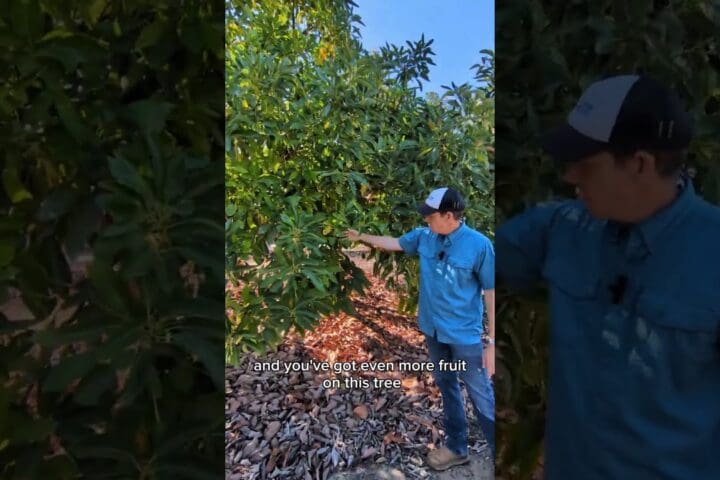
Walking through an avocado grove reveals one of the most remarkable phenomenons in fruit farming: single branches carrying two completely separate crop years at the same time. While most consumers are familiar with how an avocado ripens on the kitchen counter, understanding how fruit matures while still hanging on the tree is an entirely different craft. Recognizing the difference between black versus green avocados on the branch ensures you harvest fruit at peak eating quality rather than picking too early.
The Difference Between Fruit Maturity and Fruit Ripening
To understand when an avocado is ready to pick, it helps to distinguish physiological maturity from ripening. Avocados are unique among commercial tree fruits because they will never soften while attached to the tree canopy. The tree produces a natural hormone inhibitor that prevents the softening enzymes from activating as long as the fruit remains attached to the branch.
Maturity refers to the biological stage where the fruit has accumulated enough dry matter, healthy oils, and nutrients to complete the ripening process off the tree. Ripening, on the other hand, is the softening and flavor development that occurs after harvest. If an avocado is picked before it reaches physiological maturity, it will never soften correctly. Instead, an immature avocado shrivels, develops a rubbery texture, turns watery, and rots before becoming edible.
Reading Color Cues: Black vs. Green Avocados on the Branch
On varieties such as Hass, GEM, and Lamb Hass, skin color provides a key indicator of maturity. While grocery store avocados start green and turn dark purple or black on your counter as they soften, that color transition also takes place directly on the tree as the fruit reaches full maturity.
- Dark, Pebbly Skin: A deep forest green shifting into a dark, mottled black hue signals that the fruit has built up the oil percentage needed to soften smoothly on your counter.
- Loss of Gloss: Immature avocados often display a bright, glossy sheen. As the fruit matures, the skin takes on a duller, matte appearance.
- Woody Stems: The small pedicel, or stem connecting the avocado to the branch, will often lose its bright green succulent look and become slightly yellowed or woody.
It is important to remember that not all avocado varieties change color when mature. Heritage varieties like Fuerte, Reed, and Zutano remain bright green even when completely mature and ready to eat. For black-skinned varieties like Hass, however, the dark shade on the branch is your cue to begin clipping.
The Two-Harvest Phenomenon: Two Years of Fruit on One Tree
One of the most surprising aspects of avocado farming is seeing tiny, bright green baby fruit growing alongside large, dark mature fruit on the exact same tree. This occurs because of the unusually long development cycle required to produce an avocado.
In Southern California, avocado trees bloom in spring, typically around March or April, when honeybees pollinate thousands of blossoms across the canopy. The pollinated flowers set tiny fruitlets that require anywhere from 12 to 18 months of sunlight, water, and tree nutrients to reach full picking size. Because the fruit takes over a full year to mature, the tree will bloom and set next year’s crop while last year’s mature crop is still hanging on the branches. Managing tree nutrition and irrigation during this overlap is critical so the tree can simultaneously support harvest-ready fruit and developing fruitlets without dropping either crop.
How to Harvest Avocados Correctly at Home
If you have an avocado tree in your backyard, following commercial harvest standards will preserve both your fruit quality and your tree’s future yield:
- Conduct a Single Fruit Test: When you notice fruit turning dark and reaching full size, clip a single representative avocado and place it on your kitchen counter at room temperature. If it softens uniformly within 7 to 14 days and tastes rich and creamy, the entire crop is mature and ready to pick.
- Clip, Never Pull: Never twist or yank avocados from the branch. Tearing the fruit leaves an open wound at the stem button that invites fungal decay. Always use sharp pruning shears to cut the stem flush just above the fruit button.
- Use the Tree as Storage: Unlike peaches or apples that must be harvested all at once, avocados store remarkably well right on the tree. Once mature, you can harvest fruit gradually over several weeks or months as needed.
Monitoring Your Grove Across the Seasons
Understanding the life cycle of your avocado tree makes all the difference in achieving consistent, high-yield harvests year after year. By paying close attention to color shifts, bloom cycles, and branch development, you can take full advantage of tree storage and enjoy fresh, homegrown fruit at peak flavor.