San Diego Avocado Groves: Comparing 1978 to 2026 and Why We Are Replanting
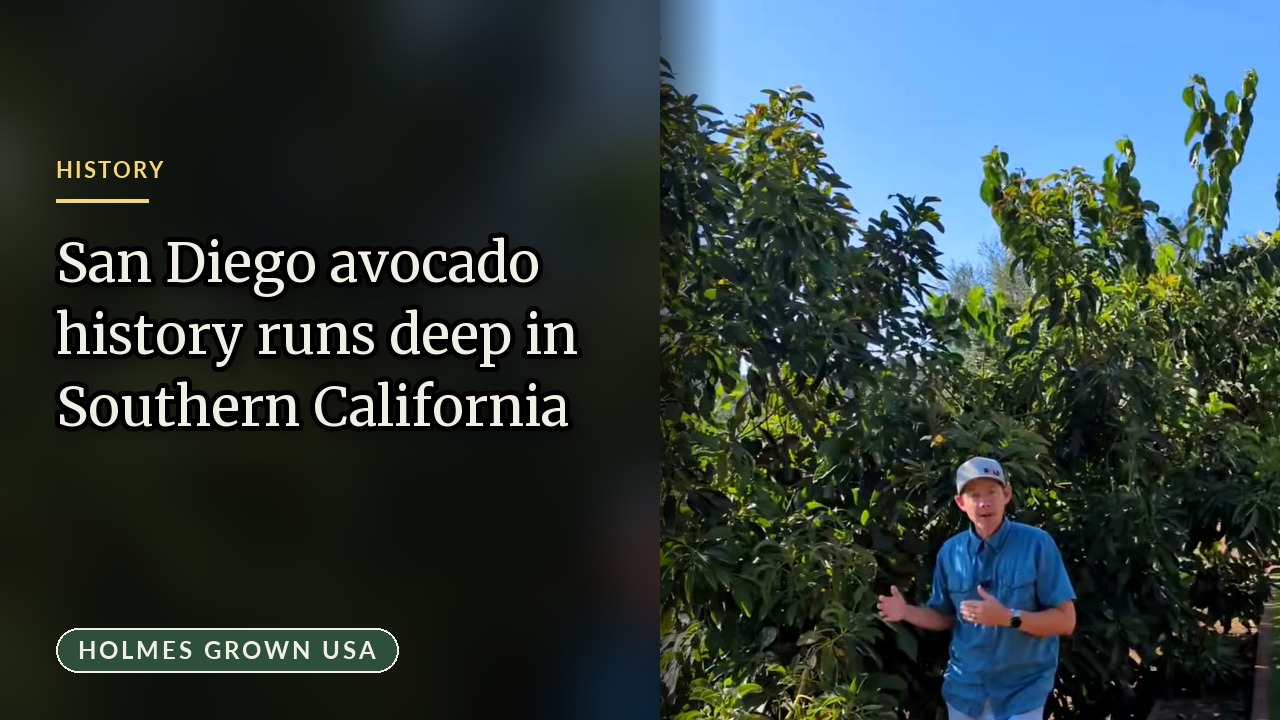
San Diego County avocado groves once defined the agricultural identity of Southern California. Decades ago, rolling hillsides throughout Escondido, Fallbrook, and Valley Center formed a dense green canopy that supplied a major percentage of the nation’s fruit. Looking back at archival photographs from 1978 and contrasting them with our grove surroundings in 2026 reveals a dramatic transformation that underscores why replanting our land today is so vital.
The Golden Era of California Avocado Farming in 1978
During the late 1970s, North San Diego County was widely celebrated as the avocado capital of the United States. Ideal Mediterranean microclimates, frost-free hillside elevations, and reliable agricultural water deliveries allowed small family orchards to flourish. When my parents captured images of this valley in 1978, mature Hass and Fuerte trees stretched continuously across the ridges.
Orchards were thriving because economic factors still aligned with production:
- Water costs were manageable, allowing growers to irrigate mature canopies without taking devastating financial losses.
- Suburban expansion had not yet fragmented contiguous farm parcels.
- Domestic retail demand was primarily served by California growers during peak harvest seasons.
What Changed: Water Rates, Urban Growth, and Global Competition
A quick look across these same valleys in 2026 reveals how fragile agricultural ecosystems can be. Hundreds of hillside acres that once grew premium fruit now sit dry, cleared, or converted into housing tracts. Keeping family-owned groves afloat in Southern California has become an uphill battle driven by several distinct pressures:
- Surging utility and water bills: As surplus agricultural water allocations dwindled, municipal tier rates increased drastically. A single mature tree requires significant gallons per week during hot spells, making monthly water bills one of our largest line items.
- International imports: Heavy influxes of foreign avocados have compressed margins during standard picking windows, making it difficult for local growers to break even on hand-harvested fruit.
- Suburban development: Rising property values and high maintenance costs have led many generational farming families to sell to residential developers.
Why We Are Replanting Our Avocado Trees
Facing these economic headwinds, many have asked why we continue planting young trees rather than converting the land. The answer lies in protecting a piece of California’s living heritage and proving that regenerative family agriculture still has a place in San Diego County.
Replanting an orchard in 2026 requires a much smarter, more calculated approach than forty years ago. Rather than repeating past management methods, we are implementing high-efficiency micro-sprinklers, dense soil mulching to conserve moisture, and rigorous canopy management. By choosing disease-resistant clonal rootstocks and optimizing every square foot of ground, we can preserve our family’s farming tradition while building an orchard that can endure future climate and economic pressures.
Documenting the Grove Restoration Journey
Rebuilding a multi-acre avocado orchard takes years of persistence, careful fertility management, and transparent observation. From deep soil prep and irrigation installation to pruning trials and harvest tracking, we are sharing the entire process as it happens across our fields.
For the longer story of how avocados took over these hills in the first place, see our history of California avocados. For the water bills and other numbers behind keeping a grove going today, see what it really costs to run a California avocado farm.