Saving Our California Avocado Farm: Kirk and Becca on Heritage Groves and Commercial Reality
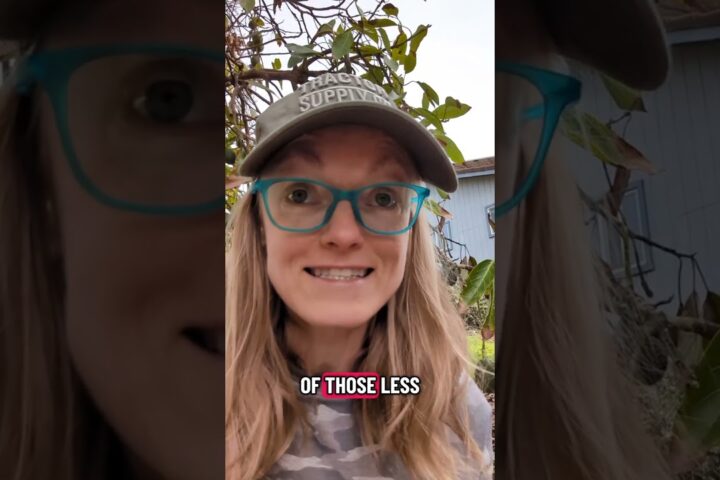
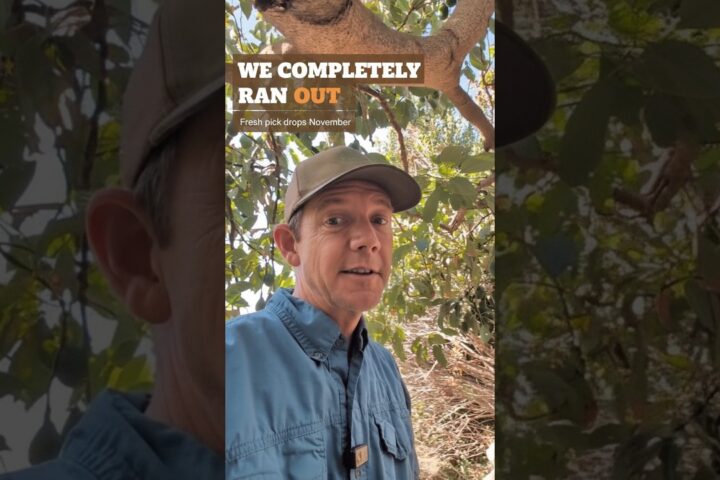
Taking on the stewardship of a multi-generational California farm comes with immense pride, relentless physical labor, and a steep learning curve. When commercial regulations prevent fallen fruit from reaching packing houses, that harvest shifts straight from the orchard floor to our kitchen counter. We are Kirk and Becca, and we are working every single day to protect and revitalize the family grove Kirk grew up on.
Growing Up Beneath an Avocado Canopy
Our history on this land began in 1986 when Kirk’s parents purchased the home property in Southern California. The homestead came with an established one-and-a-third acres of mature avocado and citrus trees, creating a dense, productive agricultural forest that served as the backdrop of Kirk’s childhood.
Over the years, the scope of the operation expanded into ten acres of commercial avocado trees. Managing an established orchard requires understanding the natural rhythms of these subtropical evergreens—from root health and shallow root irrigation to bloom cycles and canopy pruning. Stepping into the role of managing both the residential grove and the commercial acreage brings daily challenges, but it keeps our family deeply tied to the land.
The Reality of Ground Avocados and Food Safety Standards
In commercial avocado farming, stringent food safety standards dictate that fruit harvested for packing houses and retail distribution must be clipped directly from the tree branches. If an avocado naturally detaches and drops onto the orchard floor, it cannot be legally sold through standard commercial channels, regardless of how pristine the peel appears.
For commercial growers, unharvested ground fruit represents lost revenue. In our household, however, clean grounders become the foundation of our kitchen meals. Becca has stepped into grove life with an active culinary focus, developing scratch recipes and preservation methods that celebrate the oil content and rich texture of fresh-picked California fruit.
The Economic Battle to Keep Independent Groves Alive
Sustaining a family farm in California requires navigating severe economic headwinds. Between rising agricultural water rates that frequently demand tens of thousands of dollars per season, fluctuating farmgate prices, and heavy competition from foreign imports, small operations face persistent pressure to stay in the black.
Maintaining productivity across ten commercial acres means constantly optimizing our orchard practices:
- Irrigation Efficiency: Monitoring soil moisture levels carefully to protect shallow feeder roots while managing costly water consumption.
- Canopy Health: Monitoring foliage flushes and protecting exposed bark from intense Southern California sun scald.
- Diversified Utilization: Ensuring every edible resource grown on the property—whether destined for market or the dinner table—is put to good use.
Following Our Farm Journey
Preserving a family farm is about more than maintaining tree rows; it is about honoring domestic agricultural roots and knowing precisely where our food comes from. As we continue pruning, irrigating, harvesting, and experimenting with new recipes in the farm kitchen, we are documenting every victory and setback along the way.
Explore our field notes and practical growing guides across the rest of the site to see how we care for our trees throughout every season of the year.