Garden Transition Between Avocado Harvests: Pumpkins, Melons, and Seasonal Care
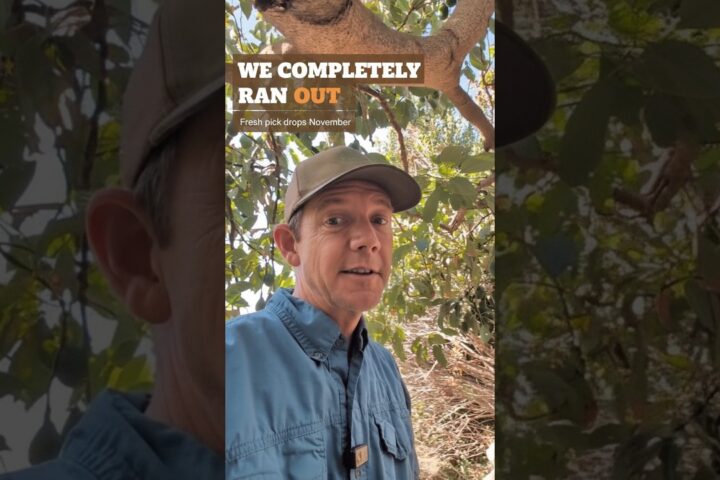
Commercial avocado farming is defined by distinct seasonal cycles, but farm life does not grind to a halt when harvest bins are packed away. In California, early autumn marks the transitional shoulder season between the end of our Hass avocado harvest and the beginning of our winter Fuerte crop. While the grove slows its vegetative surge, our focus expands into adjacent homestead garden beds and kitchen preparation.
Managing a diverse small acreage means utilizing every microclimate on the property. When you step away from the canopy rows, productive companion spaces like raised vegetable beds and perimeter trellises keep local food production thriving year-round.
The Avocado Shoulder Season: Between Hass and Fuerte
Commercial growers in Southern California know that different avocado cultivars follow strictly regulated biological schedules. Hass avocados are typically picked from spring through late summer when oil content meets maturity standards. Conversely, classic heritage cultivars like Fuerte begin their harvesting period later in the year, stretching into late winter and early spring.
During this inter-harvest lull, canopy maintenance, deep irrigation cycling, and salt leaching take precedence across the grove rows. Because the active tree picking demands temporarily ease, this window offers family growers the valuable time needed to manage supplemental crops, clear summer vegetation, and enrich the soil.
Garden Bed Management: Taming Runaway Pumpkins and Clearing Melons
While our core focus remains commercial tree fruit, our garden beds supply our household and provide regular culinary experiments. As summer winds down, crop management requires decisive action:
- Managing Sprawling Cucurbits: Pumpkins and winter squash require immense space. Even when confined to raised beds, aggressive vines will trail over perimeter fences and seek extra sunlight. Guiding these vines prevents them from shading out delicate root zones while keeping fruit off wet ground.
- Retiring Summer Melons: Tuscan cantaloupes and specialty melons are heavy feeders that thrive during high-heat months. Once fruit sets finish maturing and yield has been harvested, spent vines must be removed promptly to prevent fungal pathogens and soil-borne pests from overwintering.
- Preparing for Cool-Weather Greens: Clearing out spent melon vines opens valuable square footage for fall brassicas, root vegetables, and nitrogen-fixing cover crops that rejuvenate bed ecology before spring.
From the Grove to the Kitchen: Storing and Using Harvested Avocados
Transitioning out of harvest season does not mean avocados leave our diet. A portion of prime fruit harvested at peak maturity can be properly held and staged for continuous culinary use. Storing mature, unripened fruit in stable cool storage slows ethylene production and preserves internal flesh quality without sacrificing rich oil content.
Over the coming months, we will be stepping into the farm kitchen to showcase practical, nutrient-dense recipes highlighting farm-fresh produce alongside our saved Hass crop. Balancing fresh produce like garden-grown squash with high-oil California avocados proves that backyard food self-reliance pairs seamlessly with professional grove stewardship.
Planning Ahead for the Winter Bloom and Harvest
Every month on a domestic family farm sets the groundwork for the next season’s success. Clearing spent garden plants and managing fall garden beds helps keep pest pressure low across the entire property, ensuring our focus stays sharp as we prepare irrigation systems and grove rows for the upcoming winter Fuerte harvest.