Saving a 100-Year-Old California Avocado Legacy: Why We Chose the Family Farm Over a Buyout
California avocado farming is facing an unprecedented economic squeeze, driving thousands of multigenerational growers out of the agricultural industry. In Escondido, our 10-acre family grove stood at the exact same crossroads when we were faced with an estimated $1 million property sale offer. Rather than walking away from land that has been in our family since 1925, we made the choice to leave city life behind, take on rising water rates, and revitalize this orchard for the next generation.
A Century of Roots in Escondido Soil
The story of our land began in 1925 when my great-grandmother purchased 10 fallow acres in North San Diego County. At a time when property ownership by women was extraordinarily rare, she secured a parcel that would eventually define our family history. For decades, the ground rested until 1974, when my newly married parents decided to establish roots. While stationed overseas with the Navy in the Philippines, my father and mother wrote detailed letters back home to coordinate grading, install irrigation mains, and plant the very first avocado trees.
For half a century, those trees supplied fruit to dinner tables across the United States. Following my father’s passing in 2008, my mother worked tirelessly to maintain the grove. When she passed away unexpectedly in November 2024, my wife and I were building a thriving life in Las Vegas. We suddenly faced a life-altering choice: accept a lucrative buyout or move our young boys to California to preserve this historic piece of agricultural heritage.
Read nextAvocado Harvest Season Wrap-Up: Saving the Last Fruit for Kitchen Recipes
The Collapse of California Avocado Groves
Choosing to keep a commercial avocado grove running in California is not merely a lifestyle adjustment; it is a calculated risk against brutal economic headwinds. The California avocado industry has contracted dramatically over the last three decades:
- Fewer Active Growers: In the 1990s, California boasted over 6,000 active avocado groves. Today, fewer than 1,700 remain statewide.
- Skyrocketing Water Rates: In 2016, our agricultural water cost approximately $1,420 per acre-foot. Today, that cost has surged 76% to nearly $2,600 per acre-foot.
- Crippling Monthly Overheads: Our most recent single-month water bill reached $5,900—a figure that would have hovered around $3,100 just eight years ago for the exact same volume of water.
Compounding the problem, past droughts forced agricultural producers to cut consumption by a third, requiring growers to stump mature trees and cap irrigation lines. While some root systems bounced back once rains returned, countless trees were permanently lost.
The Price Squeeze: Packing Houses and Global Imports
While operating expenses have skyrocketed, farm-gate revenue has failed to keep pace. When our grove was established in the 1970s, domestic consumers ate California avocados exclusively. That changed in 1997 when border restrictions opened to year-round imports from Mexico, followed later by Peru, Chile, and Colombia.
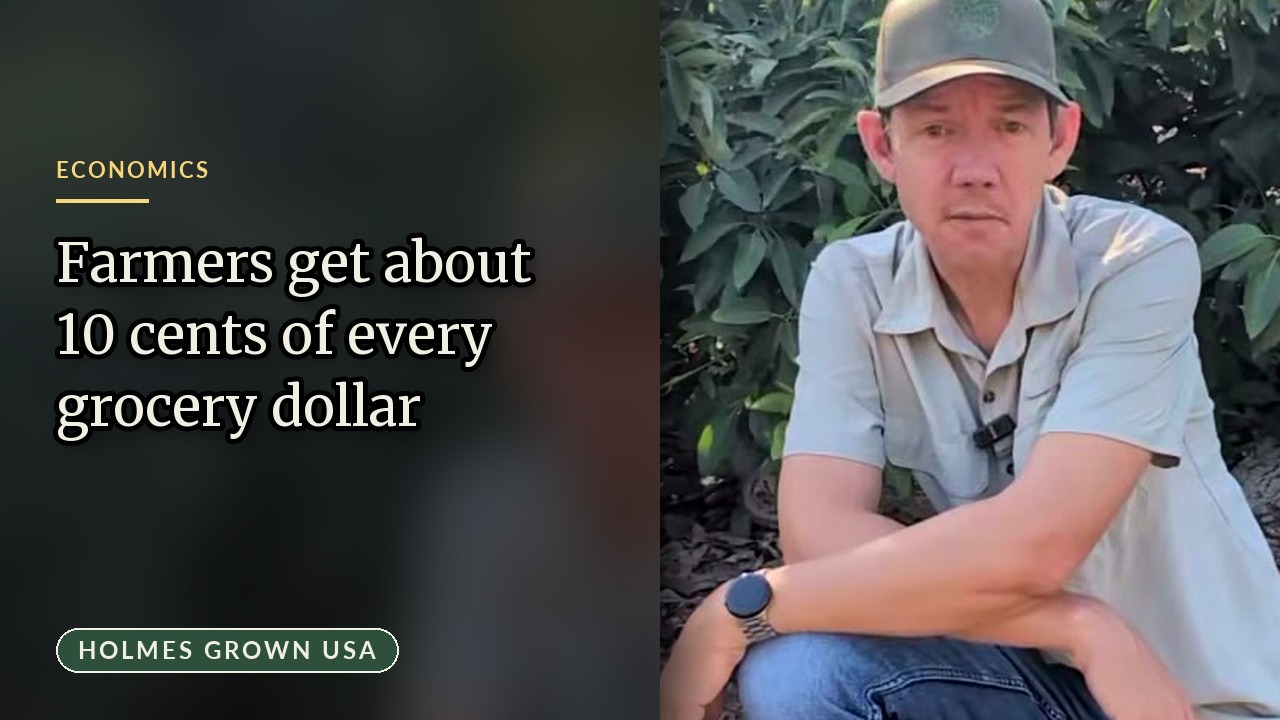
While global supply expanded American avocado consumption substantially, it fundamentally altered pricing leverage. As growers selling bulk fruit to commercial packing houses, farmers have zero pricing power—the market dictates the payout. Over the past twenty years, while our water expenses climbed by 76%, the net price paid to California avocado growers increased by a meager 6%. California farmers also fund mandatory marketing assessments, contributing a penny per pound to the California Avocado Commission and 2.5 cents per pound to the Hass Avocado Board. Facing tight margins, many neighboring growers have simply capped their water meters, cleared their hillsides, or sold out to residential developers.
Why $1 Million Was Not Worth Giving Up
Our 10 acres in Escondido carry an estimated real estate value of roughly $1 million. For many families, cashing out is the only logical financial conclusion, and no one can blame them. But looking at our two young boys climbing the very same avocado trees that shaded my own childhood, we realized that an easy payout could never replace what this soil offers.
We chose the harder path because keeping an American family farm alive matters. Our mission now focuses on overhauling our agricultural model to achieve true long-term sustainability:
- Targeted Replanting: Introducing hundreds of young rootstock trees into empty canopy gaps across our hillside.
- Irrigation Modernization: Upgrading distribution lines and exploring agricultural well systems to reduce dependence on municipal water grids.
- Direct-to-Consumer Harvests: Bypassing middleman commercial packing houses to pick, box, and ship freshly harvested avocados straight from our trees to customer doorsteps nationwide.
Revitalizing an older orchard is an intense journey governed by weather, economics, and hard physical labor. By opening up our grove notes and sharing every victory and setback, we hope to demonstrate how family agriculture can still adapt, survive, and thrive in California.
See how the land around us has changed in San Diego avocado groves, 1978 vs 2026, and what comes next in reviving a 50-year-old avocado grove. For the numbers, read what it really costs to run a California avocado farm.