Avocado Fruit Drop After Windstorms: Why Ground Fruit Can’t Be Sold
Avocado fruit drop is an unavoidable part of orchard life, but when severe weather sweeps through Southern California, the losses become immediately visible on the ground. High wind events late in the season target the largest, heaviest fruit lingering in the tops of the trees.
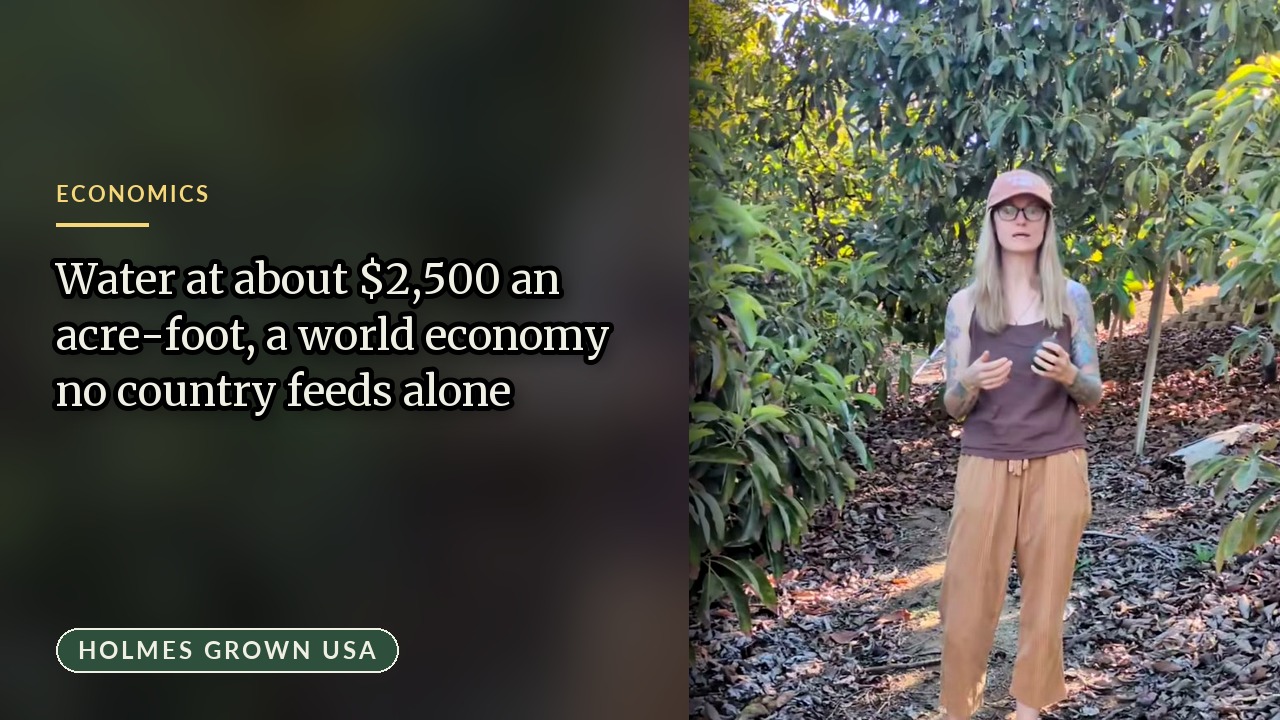
After a strong storm system rolled across San Diego County, we walked our orchard rows to inspect the canopy and evaluate the drop. Here is what happens when mature avocados hit the dirt, the strict food safety guidelines commercial growers follow, and how backyard growers can determine if fallen fruit is safe to eat.
Why Heavy Winds Cause Severe Avocado Fruit Drop
Avocado trees shed fruit naturally throughout the year. Self-thinning during early summer (often referred to as “June drop”) allows the tree to regulate how many avocados it can carry to maturity. However, wind-induced drop late in the harvest season is an entirely different issue.
When fruit reaches mature size near the top of the canopy, the weight of the avocado works against the stem during high-wind gusts. Because tall branches catch the brunt of incoming wind currents, those prize late-season avocados are frequently shaken loose before pickers can reach them with harvest poles.
The Commercial Rule: Why Dropped Avocados Cannot Be Sold
Many consumers wonder why commercial orchards do not simply gather up fallen fruit and ship it to packing houses. Under agricultural food safety standards and Good Agricultural Practices (GAP), commercial growers cannot sell any avocado that has touched the ground.
Once fruit makes direct contact with orchard soil, the risk of surface contamination rises. Soil bacteria, fallen leaf mold, irrigation runoff, and wildlife all pose food safety concerns. Even if an avocado appears visually flawless from the outside, commercial regulations draw a hard line: ground contact disqualifies it from the commercial supply chain.
The rule makes no exception for how a grower manages the orchard floor. Some groves spray the ground, and animals and soil-borne pathogens get in everywhere. Inspectors cannot check the soil under every tree across thousands of acres, so tree fruit that touches the ground stays out of the packing house.
We do not spray anything on our orchard floor, and we follow the rule anyway. A food supply is only as safe as its most consistent standard, so our ground fruit stays on the farm.
Critters and Insects: The Battle on the Grove Floor
Once fruit drops, the race against orchard pests begins immediately:
- Rodents: Rats, squirrels, and rabbits will chew through the thick pebbled skin within hours of fruit hitting the dirt.
- Ants: If moisture or damp soil surrounds the fruit, ant colonies quickly seek entry points, swarming the fruit within twenty-four hours.
- Soil Microbes: Damp ground from recent rain accelerates rot if fruit sits unnoticed under heavy leaf mulch.
How to Tell If a Fallen Avocado Is Safe for Home Use
While we cannot pack or sell dropped avocados commercially, clean fruit can often be salvaged for the grower’s personal kitchen if inspected carefully. If you have backyard avocado trees that dropped crop during a windstorm, use this checklist before bringing fruit indoors:
- Examine the Stem Button: The critical test is the stem area. If the wooden stem button is firmly intact and snapped clean, pests and ants have no direct entryway into the meat. If the button was ripped out during the fall, leave the fruit on the ground.
- Check for Skin Punctures: Inspect the underside of the fruit for tooth marks, insect boreholes, or skin splits caused by hitting rocks. Any skin breach means bacteria or bugs may have entered.
- Feel the Flesh: Fruit that dropped within twenty-four to forty-eight hours should still be firm and green under the peel. Soft, bruised pockets indicate impact trauma that will turn black and rancid as the fruit softens.
- Expect Faster Ripening: Fruit that drops without its stem tends to lose moisture and soften sooner than fruit we clip off the tree. Wash it well and check it on the counter every day.
A Second Walk Through the Drop
A day later we went back out to sort what was still on the ground: market-size fruit from the tops of the trees, plus undersized and already damaged pieces the wind knocked down with them.
Checking the Trees After the Wind
Once the fruit was sorted, we walked the rows again to look at the trees themselves. Tropical Storm Rachel brought gusts of up to 40 miles per hour, and avocado wood is brittle. A dense, evergreen canopy carrying a heavy crop acts like a sail.
We look for two things on that walk: broken scaffold limbs or splits at the main crotches, including lost upper branches that were shading the wood below, and how much fruit came down before it was mature.
One of our ten-year-old Hass trees, in its prime bearing years and carrying a heavy crop, came through with clean upper branches and very little fruit on the ground. That crop is due to be picked starting in March, so it has to hang on through the rest of autumn and all of winter. The tree next to it was carrying a much lighter set, an off year in the avocado’s alternate bearing cycle. A lighter crop has one upside in a windstorm: branches without hundreds of pounds of fruit flex more freely, and the crotches take less strain.
If a storm does damage your trees:
- Cut broken limbs cleanly just outside the branch bark ridge. Torn, jagged stubs invite decay and wood-boring insects.
- Whitewash newly exposed bark. Wood that has lived in shade sunburns quickly; a 50/50 mix of water and white interior latex paint protects it.
- Check slopes and drainage. Wind often comes with rain, so look for erosion around root zones and mulch washed out of the drainage channels.
The best defense is picking the big fruit up top before a storm arrives; here is our guide to picking from the top of the tree.
Managing orchard losses is part of working alongside weather patterns in California agriculture. We gathered a handful of intact fallen fruit for our home kitchen to test out fresh recipes, while turning our attention back to protecting the remaining canopy for next season.
Windstorm cleanup is part of the yearly care in our guide to growing avocado trees. For what a storm does to soil and erosion, see storm aftermath in the grove. Dropped fruit is one of the costs that never shows up on a price sticker; we add up the rest in what it really costs to run a California avocado farm.