Why We Decided Not to Sell Our 10-Acre California Avocado Grove
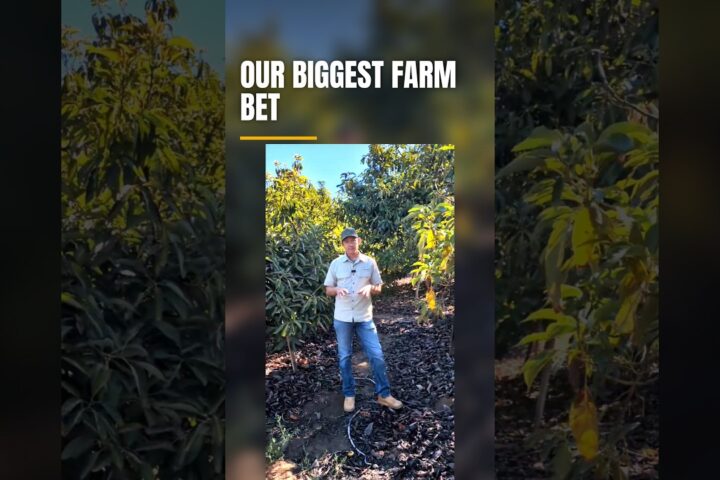
Deciding whether to keep or sell a working avocado grove in Southern California is one of the toughest choices any agricultural family can face. Between rising water expenses, shifting commodity pricing, and unrelenting development pressure, cashing out is often presented as the only practical financial move. Yet when we walked our hillside rows, taking in the beauty and productivity of our 10-acre grove, the answer became clear: this land belongs in production.
The Economic Pressures Facing California Avocado Growers
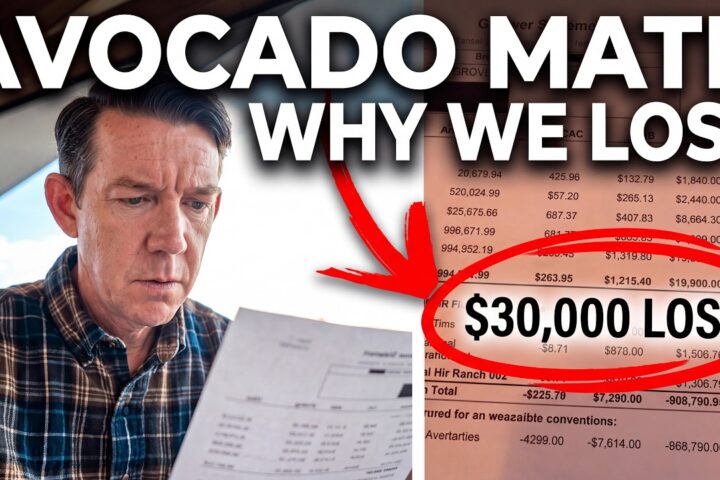
Operating an avocado grove in California today means confronting steep operational overhead. Water rates across Southern California remain the single largest recurring hurdle for commercial growers, frequently costing tens of thousands of dollars annually just to keep root systems hydrated and healthy. In addition to utility expenses, family farms must navigate regulatory hurdles, rising labor standards, and competition from low-cost imported fruit that floods retail supermarket shelves during peak domestic harvest windows.
When land values climb alongside residential sprawl, private developers constantly circle agricultural acreage. For many aging growers, selling out offers a quick exit from the grueling physical demands of grove management. However, every time an established grove is converted into housing tracts or storage units, that domestic food production capacity is lost forever.
The Stewardship of Mature Avocado Trees
Beyond raw spreadsheets and balance sheets, an avocado grove represents decades of dedicated horticultural care. A healthy, mature avocado tree can produce fruit for 70 to 80 years or more when managed properly. Our 10 acres represent an intricate living ecosystem:
- Canopy Microclimates: Established trees create protected shade, regulate ambient ground temperatures, and foster beneficial insect populations.
- Soil Biology: Decades of natural leaf drop provide a thick mulch barrier that retains moisture, feeds mycorrhizal fungi, and suppresses Phytophthora root rot.
- Genetic Diversity: Maintaining varieties like Hass alongside classic heritage cultivars helps maintain reliable cross-pollination and extended harvest timing.
Uprooting trees that take a decade to reach peak production simply to cash in on a temporary real estate spike disregards the time, water, and labor already invested into the soil.
Domestic Food Security and Knowing Your Farmer
Awareness around food provenance is shifting. Consumers increasingly want to know where their produce originated, how far it traveled, and whether it was cultivated under stringent environmental and labor standards. California avocados are renowned for superior oil content, creamy texture, and unmatched fresh flavor because they are allowed to hang on the branch until fully mature.
By retaining our 10-acre grove, we ensure that fresh, locally grown fruit continues reaching community tables. Staying committed to small-scale agriculture helps safeguard domestic food sovereignty at a time when California’s agricultural footprint is shrinking.
Looking Ahead: Adapting for Long-Term Sustainability
Choosing not to sell does not mean operating with business as usual. To keep our 10-acre grove profitable and resilient for future seasons, we continue implementing forward-thinking grove strategies:
- High-Efficiency Irrigation: Continuously auditing micro-sprinklers and monitoring evapotranspiration rates to eliminate water waste.
- Canopy Rejuvenation: Strategic pruning to keep tree heights manageable for safe harvesting while maximizing sunlight penetration.
- Direct Consumer Connection: Sharing our day-to-day grove management experiences transparently so supporters understand the true cost of domestic farming.
Our decision to keep farming comes down to purpose, heritage, and the undeniable beauty of productive land. Farming is never an easy road in California, but walking through our canopy every morning reminds us why staying rooted is worth every ounce of effort.