Why We Left Las Vegas to Become Second-Generation Avocado Farmers
We left Las Vegas because Kirk’s mother died and someone had to take over the family avocado grove in Escondido, and because we wanted our two boys to grow up outside all year instead of hiding from the heat. We inherited the grove in November 2024 and moved in early 2025 to farm it as the second generation, on land that has been in Kirk’s family for a century. Here is the honest story behind the move: the grief, the learning curve, and why an outdoor life for our kids tipped the decision.
The Turning Point: Loss, Legacy, and Relocating from Las Vegas
Before moving to Southern California, we spent over a decade building a life in Las Vegas. We had established deep roots, a close-knit village of friends, and two toddler boys—a one-year-old and a three-year-old. But life changed rapidly when we experienced the sudden loss of Kirk’s mother to cancer.
Faced with navigating profound grief, we had to decide whether to remain in Nevada or step up to preserve Kirk’s childhood home and family orchard. The grove’s mature avocado trees were planted by his parents 50 years ago, set on ground originally acquired by his great-grandmother in 1925. Taking stewardship of this multi-generational agricultural property was an intimidating responsibility, but it presented an undeniable opportunity to safeguard a 100-year family heritage.
Read nextRaising Kids on an Avocado Farm: Building Legacy in the Soil
Trading Desert Heat and Screen Time for 365 Days Outside
While preserving family history was crucial, our biggest daily motivator was creating an environment where our kids could thrive outdoors year-round. In the desert climate of Las Vegas, extreme heat often exceeds 100 degrees for six months of the year, frequently driving families inside and directly toward electronic screens.
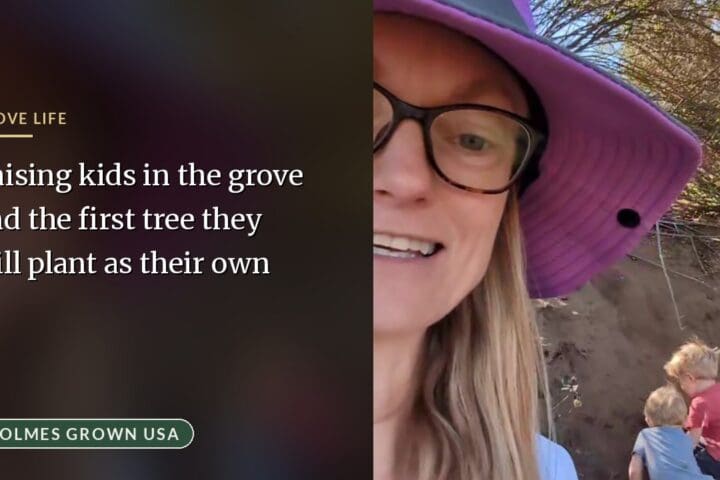
We wanted an active, screen-light childhood for our boys centered on whole foods, fresh air, and real work. Moving to Escondido unlocked that possibility:
- Unstructured outdoor exploration: Our sons spend hours each week climbing mature trees, running tree rows, and playing in the dirt.
- Direct connection to food production: Watching food grow from flower to tree-ripened fruit instills lifelong appreciation for agricultural labor.
- Digital minimalism: Prioritizing hands-on farm routines naturally replaces sedentary screen habits with healthy physical activity.
Balancing Commercial Avocado Groves and Backyard Homesteading
Managing an avocado farm involves both broad commercial acreage and detailed homestead care. Our daily rhythm in Escondido splits time between two distinct agricultural environments.
Several times a week, we work in our 10-acre commercial avocado grove, checking tree health, managing irrigation schedules, and planning ongoing hillside revitalization. Back at our home property, we look after roughly 30 mature avocado trees on a little under an acre alongside a developing homestead that includes a seasonal vegetable garden and plans for backyard chickens.
Farming has presented a steep learning curve. From trialing cool-weather brassicas to learning the nuances of shallow avocado root systems, the daily challenges are real. Yet the reward of serving meals grown entirely on our own property provides unmatched perspective on why family farming remains vital.
Why is Escondido such good avocado country?
North San Diego County has long been the heart of California avocados. According to Avocado Production in California: A Cultural Handbook for Growers, Book One, San Diego County had 22,862 acres of Hass in 2001 to 2002, more than any other county, and its Hass season runs from January through August. The Thomas rootstock even originated in Escondido.
Much of that acreage sits on hillsides like ours. The handbook explains that groves have been planted on steep Southern California slopes since the 1970s, made possible by low-volume irrigation, fertigation and biological pest control. Rainfall here averages only 11 to 15 inches a year, so every tree depends on the water we put on it.
What does it take to keep an inherited avocado grove going?
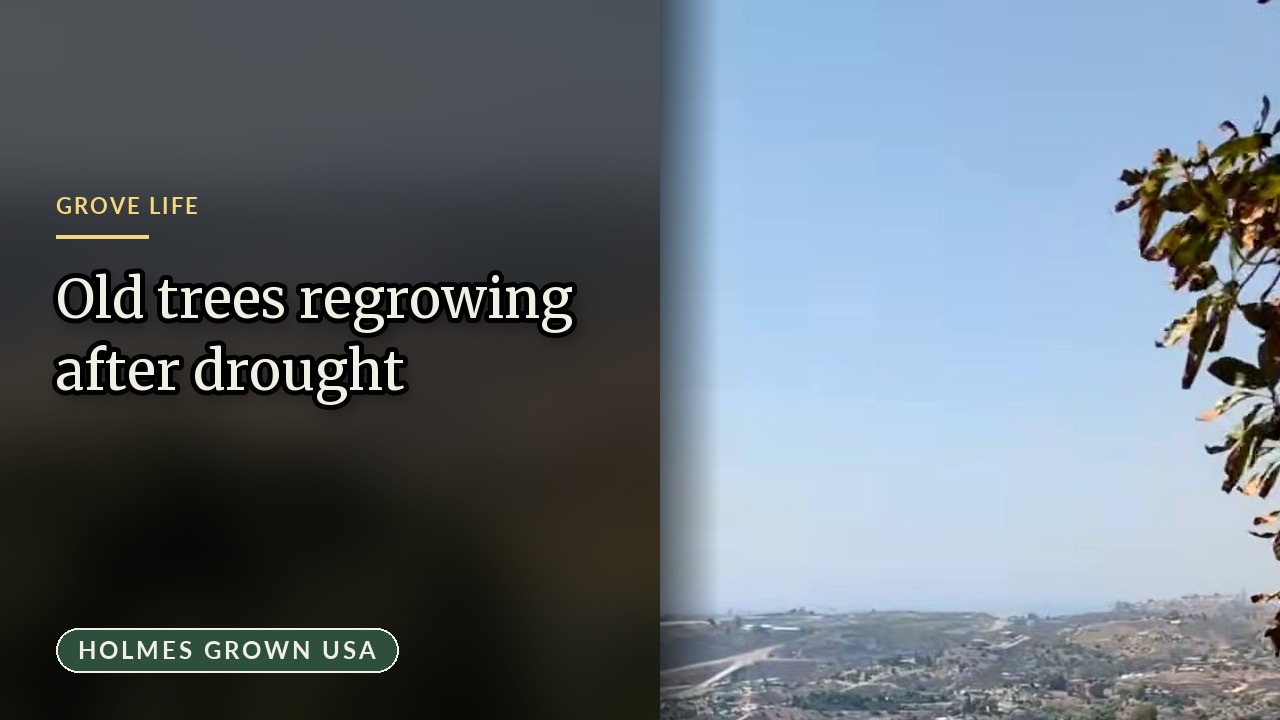
More than we expected. Water is the big one. The handbook describes how high water rates in San Diego County set off a “downward spiral of groves going out of business” after the drought years, and Avocado Production in California: A Cultural Handbook for Growers, Book Two, warns that missing a series of irrigations for one to two weeks can start fruit drop and ruin a year’s crop. Moving from a desert city, we had to learn that the schedule cannot slip, even on a busy week.
Pests are the other daily job. Persea mite turned up in San Diego County in 1991 and was on almost every avocado leaf in the county within two years. We have learned that weeds give mites and other pests a place to hide, so keeping the rows clean is part of the routine now. And the trees themselves keep growing. The handbook notes that most hillside groves are thinned once and then kept topped, so canopy work is on our list for the years ahead, alongside replanting the oldest blocks.
Carrying Multi-Generational California Farming Forward
Taking over an established family grove is an ongoing process of honoring past groundwork while modernizing for long-term sustainability. The avocado trees planted half a century ago continue to feed our family and our community because of dedicated care across generations.
As we continue reviving and stewarding this Escondido grove, our focus remains on regenerative practices, soil vitality, and transparently sharing what it takes to produce premium, tree-ripened California fruit.
For more of our story, from the boys in the trees to what each season on the farm looks like, start with our guide to life on a family avocado grove.