Can You Grow Avocados for Free? The Six Costs Behind Every Fruit
Every so often someone suggests that avocados are basically free — the tree does the work, you just pick them. We get the idea, and believe us, we wish it were true. But once you add up what it takes to put an avocado in a box, it is anything but free.
There are six costs behind every avocado we grow: the land, property taxes, the tree, water, fertilizer and labor.
1. The land
Before a single tree goes in, you need somewhere to plant it, and land that suits avocados in Southern California is expensive. We are lucky that ours has been in the family since 1925, but that is exactly why so few new groves get started. We looked at the numbers for starting from scratch in the cost to start an avocado farm in California.
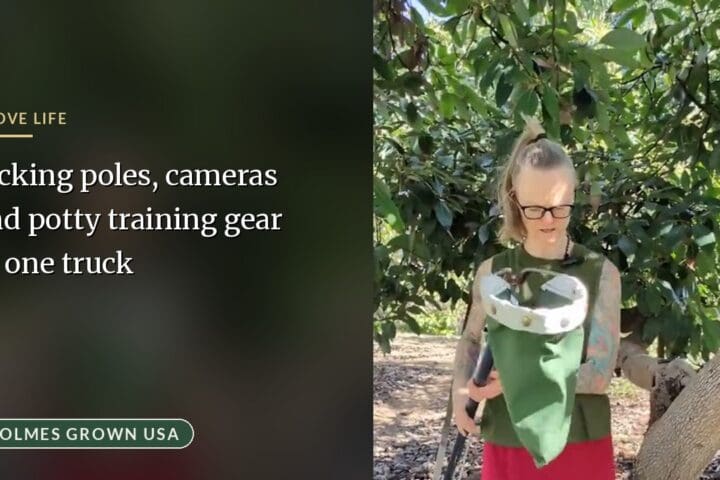
Read nextBehind the Scenes: Documenting Daily Life in a California Commercial Avocado Grove
2. Property taxes
Owning the land is not a one-time cost. Property taxes come due every year whether the trees had a good season or a bad one.
3. The tree
A good avocado tree is grafted, and grafted trees from a nursery cost money. Then you wait. A young tree takes years to bear a real crop: the University of California growers’ handbook puts first real bearing at around the third year after planting, with full production not until somewhere around years eight to ten. You are paying for everything else on this list the whole time. We covered that wait in how long until an avocado tree produces fruit.
4. Water
This is the big one for us. Avocados are thirsty trees, and water in Southern California is expensive. On a commercial grove, the water bill alone can be the difference between a profit and a loss.
How thirsty? The University of California growers’ handbook (2015) worked through the numbers for a mature grove in Escondido at the traditional 20-by-20-foot spacing: about 57 gallons per tree per day at the July peak and around 20 in January, which adds up to roughly 4.6 acre-feet per acre in a year with no rain. With normal rainfall, it puts most San Diego County groves at about 3 to 3.5 acre-feet per acre per year. Avocados use water all year long, so the bill never takes a season off.
Cutting back to save money does not really work either. The same handbook calls under-irrigation one of the leading causes of poor yields in California, and it warns that missing irrigations for one to two weeks can start fruit dropping. Skimp on water and you pay for it in the crop.
5. Fertilizer
A tree that is expected to produce fruit year after year has to be fed. Fertilizer is a recurring cost every season, and skipping it shows up in the crop.
Nitrogen is the one nutrient avocados need every year. The handbook’s rule of thumb for mature Hass is 150 to 200 pounds of actual nitrogen per acre per year, or roughly 1.5 to 2 pounds per tree. Zinc, phosphorus and the rest are added only when a leaf analysis shows a need, which is a cost of its own, but a cheaper one than paying for fertilizer the trees do not need.
6. Labor
Finally, people. Trees need pruning, irrigation needs checking and fixing, and every avocado is picked by hand. That is skilled, physical work, and it is paid for, as it should be.
So what does an avocado really cost?
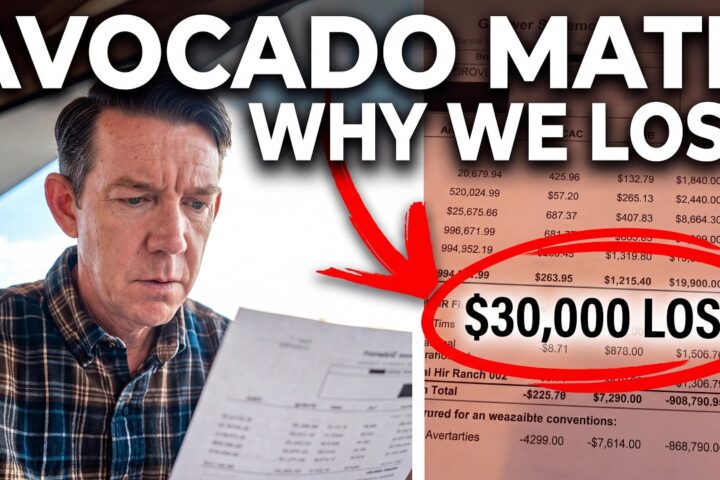
Put those six together and the math gets serious quickly. We opened up our own grower statement in avocado math, and the full picture, from water to the price of a single avocado, is in what it really costs to run a California avocado farm.
None of this is a complaint. We love growing avocados. It is just that nature does not send the bill to someone else. The tree does its part; the rest is on the farmer.
If you would like to put some of that money toward a family grove rather than a middleman, our 4lb and 6lb Hass boxes ship free, picked the week they go out. Between harvests, the waitlist on either page will email you when fruit is back.