Avocado Pesto Chicken Pasta: A Weeknight Idea From Our Kitchen
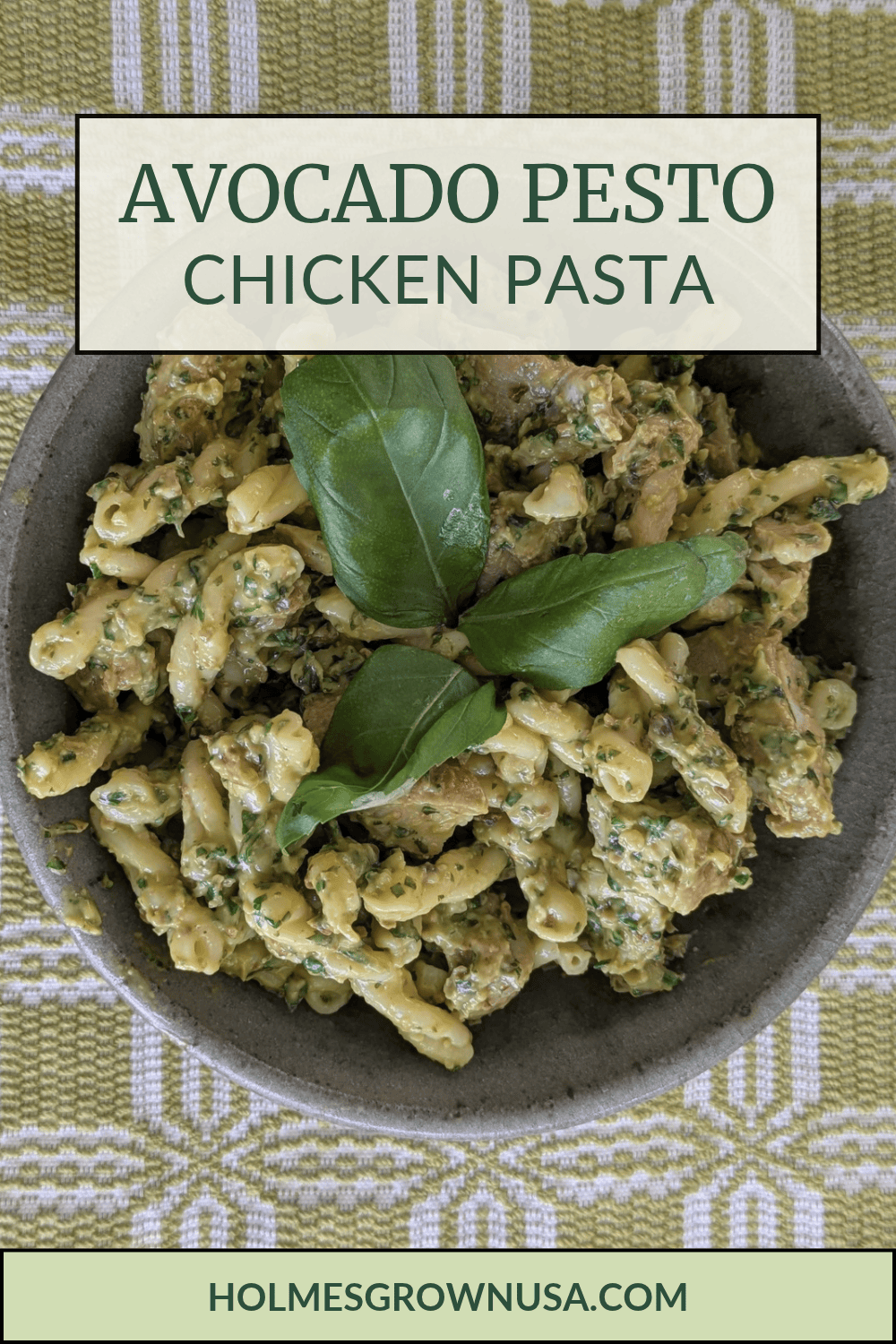
This one is a quick look rather than a full lesson: a short clip of avocado pesto chicken pasta coming together in our kitchen. The idea is simple. Blend ripe avocado into a pesto, toss it with hot pasta and chicken, and you get a creamy green sauce without any cream.
We have not posted a full written recipe with measurements for this dish yet, so what follows is the idea and the basics rather than a set of exact quantities.
What is avocado pesto?
Traditional pesto is basil, garlic, nuts, cheese and plenty of olive oil. An avocado pesto uses ripe avocado to do some of the work the oil and cheese normally do, which gives you a thicker, silkier sauce that clings to pasta. Everything still goes in a blender or food processor; the avocado just goes in with it.
What goes in the bowl
- Cooked pasta
- Cooked chicken
- Avocado pesto: ripe avocado blended with the usual pesto ingredients
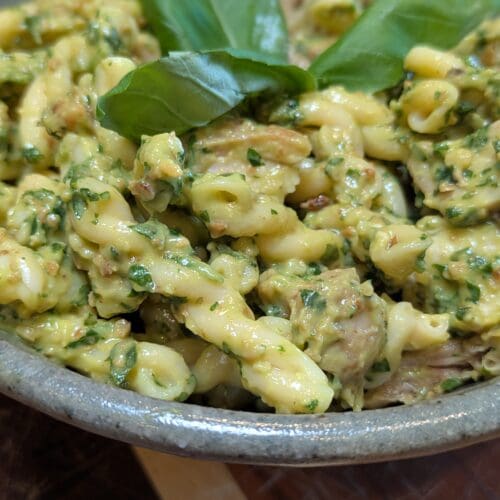
Avocado Pesto Chicken Pasta
Equipment
- Measuring cups
- Measuring spoons
- Blender
Ingredients
- 2 chicken breasts
- 2 servings pasta, your choice
- 1/3 cup pine nuts
- 2 garlic cloves
- 2 cups basil leaves, loosely packed
- 1/2 medium avocado
- 1/4 cup extra virgin olive oil
- 1/4 tsp salt
- lemon juice, to taste
Instructions
- Cook the pasta as instructed and set aside to cool, then refrigerate.
- Make your chicken. Season as you wish with salt and pepper, fry in a pan or bake at 400 for about 40 minutes. Make sure cooked through, set aside to cool. Chop into small pieces or shred, by hand or with a chopper.
- Roast your pine nuts on low heat in about 1 T of olive oil. Constantly stir, and take them off right as they start to brown so they don't get overcooked.
- Add pesto ingredients to a blender – avocado, pine nuts, basil, garlic salt, lemon juice, and then add olive oil 1 T at a time until well blended.
- Mix pesto sauce with past and chicken. Enjoy!
Notes
Nutrition
A few tips from people who grow the avocados
Use a properly ripe avocado. It should give slightly when pressed; a hard one will not blend smoothly. If you are not sure whether yours is past it, our guide on how to tell if an avocado is bad will save you from throwing out a perfectly good one.
Toss the sauce with the pasta off the heat. Avocado is at its best raw, and a warm pan is plenty to coat everything. And like guacamole, the sauce is best eaten soon after it is made, before the avocado starts to darken.
If you like avocado standing in for dairy, Becca’s avocado caprese salad works on the same idea, and her classic guacamole is the recipe we come back to most.
A dish like this is only as good as the avocado in it. Our 4lb Hass box ships free in season, and our stainless steel avocado scoop makes short work of getting the fruit out of the skin. Until the trees are picking again, the avocado scoop, the Hawaiian shirt and our hats ship year-round.
Try this: Use a properly ripe one. The sauce only goes creamy if the avocado is soft enough to blend smooth.
This post is part of our guide to choosing, ripening and using avocados.