Garden Now, Guacamole Later: Planting Beds While the Hass Are Ready
Plant the guacamole garden now and pick the avocados now, because the Hass will still be on the tree when the tomatoes catch up. Becca planted her beds just as our Hass harvest opened, and the clip shows the honest problem with that timing: the garden needs months to grow, and the avocados were ready immediately.
That mismatch is the whole story of this short video, and it is a pretty good picture of how a kitchen garden and an avocado tree run on different clocks.
What goes in a guacamole garden?
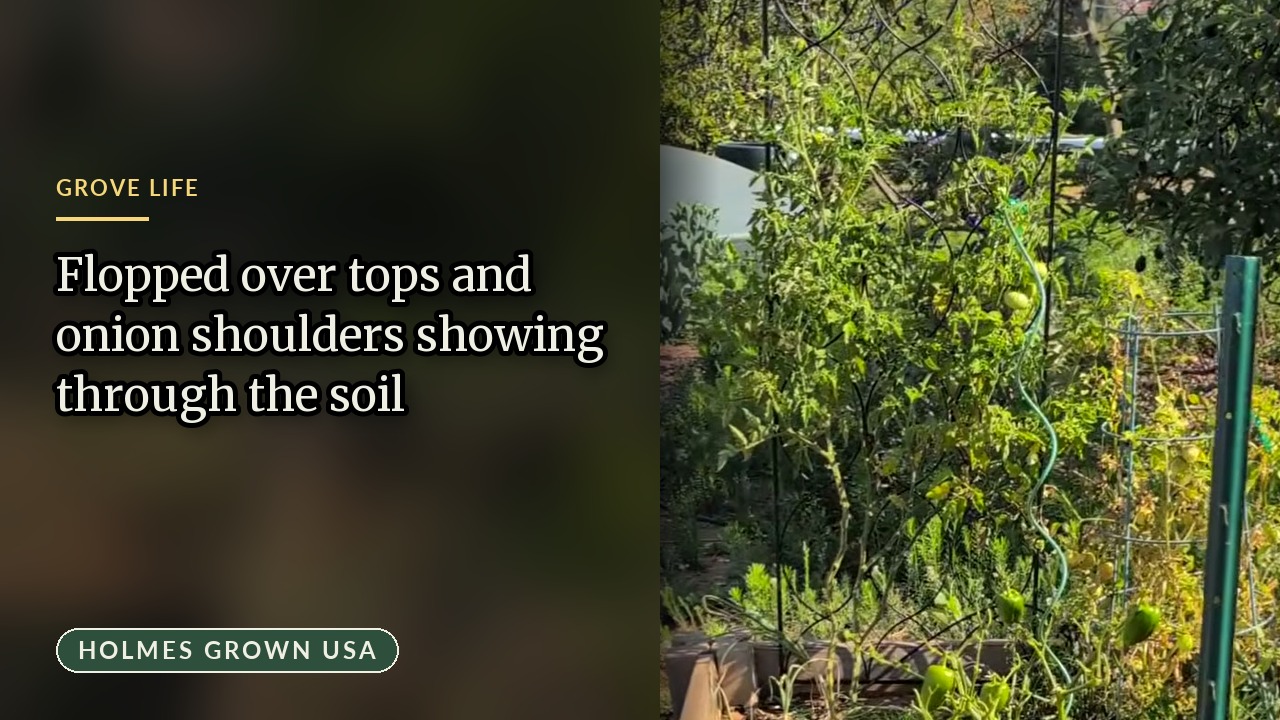
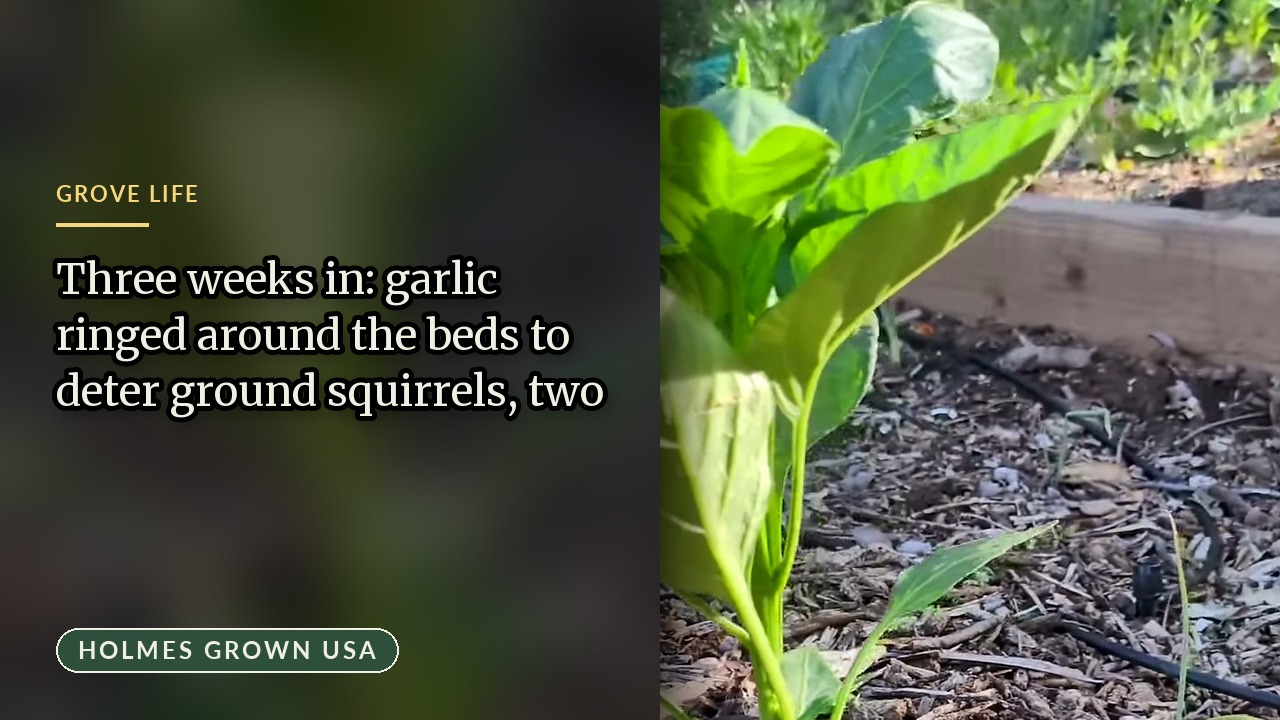
The idea is to grow everything that goes into a bowl of guacamole besides the avocado itself. Becca’s beds went in with garlic, onion, three kinds of tomatoes and three kinds of peppers: jalapeño, green bell pepper and poblano. Add lime and salt and a handful of herbs if you like them, and the only thing left to source is the fruit — which, for us, is the easy part.
If you want to see where those ingredients end up, Becca’s classic guacamole is the recipe the garden is built around.
Why plant three kinds of peppers?
The peppers cover a range. Jalapeño brings the heat most people expect in guacamole, green bell adds crunch and freshness without any burn, and poblano sits in between with a milder, earthier flavor. Having all three means we can adjust the heat to whoever is eating, which matters in a house with two small boys.
Why grow the extras at all? Partly because fresh tastes better, and a tomato picked ripe from the garden is a different thing from one picked green for shipping. Partly because it is satisfying to make something entirely from your own ground. And partly because, once you are already out in the yard every day, a few more beds is not much extra work. If you want another home for the tomatoes, Becca’s avocado caprese salad is a good one.
Why the garden and the avocados do not line up
Vegetables are sprinters. Plant tomatoes and peppers and, with some luck and not too many squirrels, you are picking in a few months. Garlic takes longer still, and onions need their time to bulb up.
Avocados are the opposite. The variety chart in Avocado Production in California: A Cultural Handbook for Growers, Book One, has Hass blooming from March to May, with picking starting in January, so the fruit we pick has been on the tree for most of a year. The same book puts the Hass season in San Diego County at January through August. When the garden goes in, the avocados are long past flowering — they are just waiting to be picked. By the time the tomatoes ripen, the tree has been carrying fruit the whole time.
How long can Hass avocados stay on the tree?
For months, which is what makes the garden timing work at all. The handbook credits Hass with the longest harvest season of the major California varieties, and that is the reason growers like us can pick across spring and summer instead of all at once.
There are limits, though. The handbook notes that early-season Hass is not as good to eat as fruit picked later, and that very late-season fruit often turns rancid quickly once it softens. It also recommends picking at least a third of the Hass crop before April so the tree blooms well the following year; a tree left loaded too long tends to give a light crop next season. So “store it on the branch” is a window, not a pantry.
The other thing to know is that a picked avocado is hard. We pick ours firm and they soften on the counter over a few days, so even fruit you pick today will not be guacamole tonight. That works in the garden’s favor: the tomatoes and peppers have a few extra days to catch up.
Can you plant a vegetable garden under avocado trees?
We would not put beds under the canopy. Avocado Production in California: A Cultural Handbook for Growers, Book Two, explains why: 80 to 90 percent of an avocado’s feeder roots sit in the top 8 to 10 inches of soil, and those roots have very few root hairs. Digging, tilling and turning beds under a tree tears up exactly the roots it drinks with. Leave that ground to the leaf litter and a coarse mulch, kept several inches back from the trunk.
Watering is the second reason. Vegetable beds want frequent, shallow water, and an avocado’s roots sitting in constantly wet soil is how root rot gets started. The handbook also warns that almost all manures carry a lot of salt, and avocados are sensitive to salt, so the manure that a tomato bed loves is a poor thing to spread under an avocado. Becca’s raised beds sit out in the open, on their own irrigation, which keeps the two watering schedules apart.
Weeds are the third. Weeds in a grove compete with the trees for water and nitrogen, and on our place they also harbor persea mites and other pests. A garden that gets away from you can spill weeds into the tree rows, so keep the edges clean.
A garden among the fruit trees
A kitchen garden fits naturally around fruit trees at home. We wrote more about that in growing fruit trees on an avocado farm homestead, including how the garden and the trees feed into the same family recipes.
One tip from experience: if your avocados arrive before your tomatoes do, they will need a few days on the counter anyway. Our guide on how to ripen avocados covers getting the timing right.
Avocados ready now, garden coming soon
When Becca filmed this, orders were open and the Hass were coming straight off the tree. The garden would catch up eventually.
You do not need to wait for your tomatoes either. Our 4lb and 6lb Hass boxes ship free, picked the week they go out, and between harvests the waitlist on either page will tell you when they are back.
Try this: If you want a guacamole garden to land with your harvest, count backwards from your pick date and plant to that, not to the calendar.
This post is part of our guide to life on our family grove.