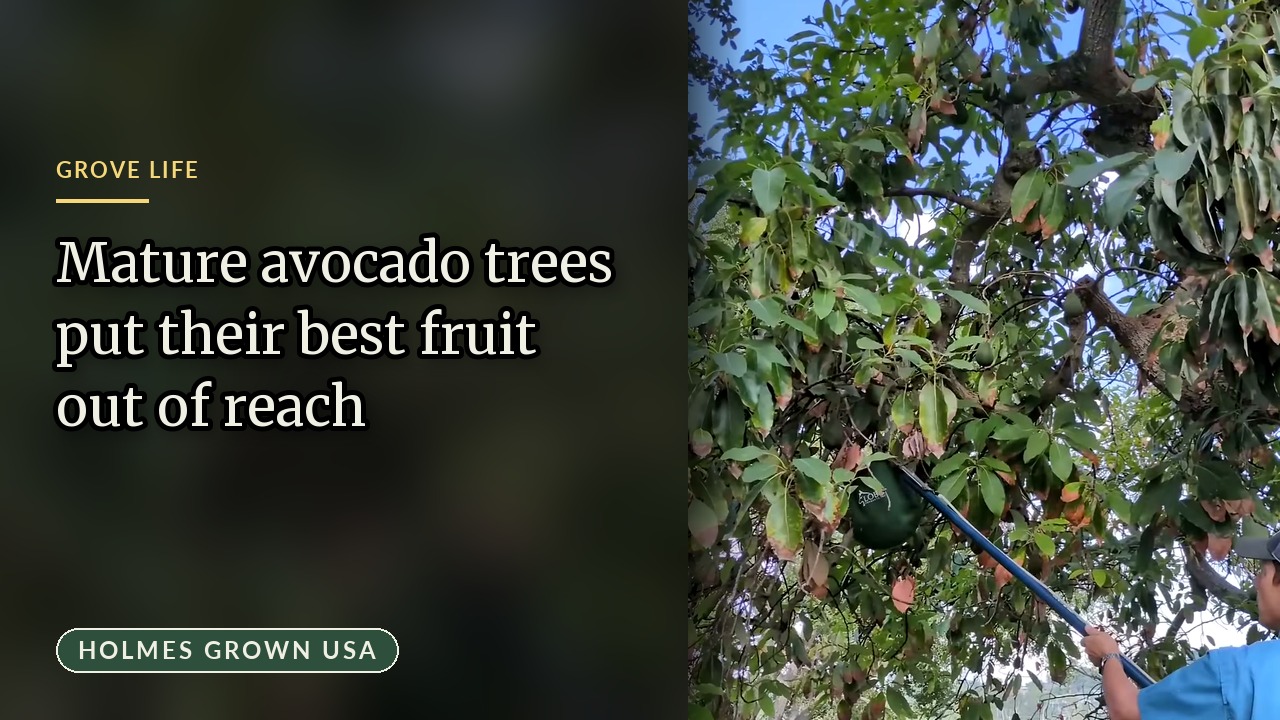
How to Repair and Maintain a Vintage Avocado Pole Picker Tool
To fix a seized avocado pole picker, soak the pivot and blade track in penetrating oil, tap the joint lightly to help the oil work in, and then work the lever gently until the spring returns the blade on its own. Maintaining vintage avocado harvesting tools is essential for keeping family farm operations running smoothly and efficiently. When an old pole picker seizes up right before harvest time, knowing how to clean, lubricate, and free mechanical components can save your crop harvest schedule. In this guide, we break down how avocado pole pickers work and how to restore seized orchard hand tools.
Understanding How a Vintage Avocado Pole Picker Works
Avocado pole pickers are classic harvesting tools designed to reach high branches without damaging delicate fruit or requiring risky climbing on every single tree. The mechanism consists of three main components working together:
- The Stem Notch: A contoured metal bracket at the head of the pole that slips around the avocado stem.
- The Cutting Blade Lever: A spring-loaded blade connected to a pull rope or lever that shears the stem cleanly.
- The Collection Bag: A canvas or net pouch attached directly beneath the cutting blade to catch the falling avocado safely.
When operating properly, the worker positions the notch around the stem connecting the avocado to the branch, pulls the actuation line, and the blade snips the fruit cleanly into the bag. This clean cut preserves the stem button on the fruit, which is vital for preventing decay and maximizing post-harvest shelf life. Avocado Production in California: A Cultural Handbook for Growers, Book Two, explains why: the organisms behind stem-end rot get in through the freshly cut stem at harvest, which is also why it advises against picking during or soon after rain and recommends getting fruit into cold storage quickly.
Read nextFood Scarcity vs. Natural Abundance: What Commercial Avocado Farming Taught Us
Why Avocado Growers Need Pole Pickers at All
Avocado trees get big. An unpruned Hass tree can reach 50 to 60 feet, and the University of California grower handbook lists “the tree is too large” among the long-standing complaints about Hass: large trees raise picking costs, picking them can be hazardous, and the pruning needed to keep them in reach adds considerably to production costs. On steep hillside groves the handbook recommends a regular topping and pruning program for the same reason.
A good pole picker is the tool that bridges that gap. It lets a picker reach fruit well above head height from the ground or a short ladder, choose exactly which fruit to take, and bring it down without a fall. We show how we use ours in how we pick avocados from the top of the tree, and why tree height matters in how tall avocado trees grow.
Size-Picking: Why Choosing Individual Fruit Matters
The ability to pick one fruit at a time is not just about reach. Commercial Hass groves are usually size-picked. According to the handbook, the first pick takes only fruit of size 48 and larger (roughly 7.5 to 9 ounces each), followed by at least one more size pick, and finally a strip-pick that takes everything left on the tree. Leaving the smaller fruit to keep growing gets more value from the same tree.
Timing matters too. The handbook recommends picking at least a third of the Hass crop before April to encourage a good return bloom for the following year. Hass also holds on the tree for months once it is mature, which gives growers room to pick in several passes. All of that depends on a tool that can reach selected fruit without damaging the branches or the fruit left behind. For more on technique, see harvesting without damaging branches.
Step-by-Step: Unseizing Rust-Locked Harvest Tools
Over seasons of use in humid grove conditions, sap build-up, surface rust, and grime can cause the pivot points and sliding blades on mechanical pole pickers to lock solid. Restoring these tools requires a methodical approach:
- Inspect the Pivot Points: Examine the joint where the mechanical lever connects to the main cutting blade. Check for visible rust scale, dried plant sap, or debris jam.
- Apply Penetrating Oil: Apply a generous amount of lightweight lubricating oil, such as 3-In-One oil or penetrating fluid, directly to the pivot pin, blade track, and return spring.
- Apply Targeted Impact: Lightly tap near the pivot joint using a small hammer or wooden mallet. The slight vibration helps the oil creep into tiny crevices between locked metal surfaces.
- Work the Mechanism Manually: Slowly exercise the lever back and forth by hand. Do not force it fully on the first attempt; gradually work the range of motion until the spring smoothly returns the blade to its resting position.
- Wipe Away Sap Residue: Use a rag or wire brush to remove loosened rust particles and sticky avocado tree sap.
Essential Maintenance Best Practices for Orchard Hand Tools
Taking preventive maintenance measures prolongs the lifespan of hand tools and ensures efficient harvest days:
- Clean After Every Use: Wipe down blades and metal brackets after harvesting to remove organic acids and sticky sap that accelerate oxidation.
- Lubricate Frequently: Add a few drops of general-purpose oil to moving joints prior to every major picking session.
- Inspect Pull Lines and Springs: Regularly check ropes for fraying and replace worn tension springs before they snap during field operations.
- Clean the Blade Between Trees: The handbook lists contaminated harvest clippers and pruning tools among the ways sunblotch viroid moves from tree to tree, and recommends disinfecting cutting tools before starting work on a new tree. Scrub the blade clean, use a registered disinfectant according to its label, then dry and oil the steel so it does not rust.
- Store in a Dry Environment: Keep pole pickers indoors or under cover to protect wooden poles and steel cutting assemblies from rainfall and ambient moisture.
Why Proper Fruit Harvesting Tools Matter for Avocado Quality
Using specialized stem-cutting tools rather than pulling or shaking fruit ensures the avocado skin remains unbruised and intact. Dropping fruit directly onto orchard floor dirt causes internal bruising and skin ruptures, making the harvest unmarketable (and for commercial growers, ground-dropped fruit cannot be sold). Hass’s dark skin hides bruises and fingernail marks better than green-skinned varieties, but that only hides the problem; careful handling is still the goal. By maintaining functional pole pickers, family growers can carefully pick fruit from tall canopy branches while ensuring every single avocado reaches customers in prime condition.
Whether you manage a commercial avocado grove or care for a few backyard fruit trees, taking proper care of your harvest tools ensures your fruit arrives off the tree looking and tasting great. For more tips on avocado tree care, grove management, and ordering fresh farm-direct avocados, visit our official website at Holmes Grown USA.
This is part of our complete guide to life on a family avocado grove — how the two properties work, how a box is picked and packed, and the honest side of it.